

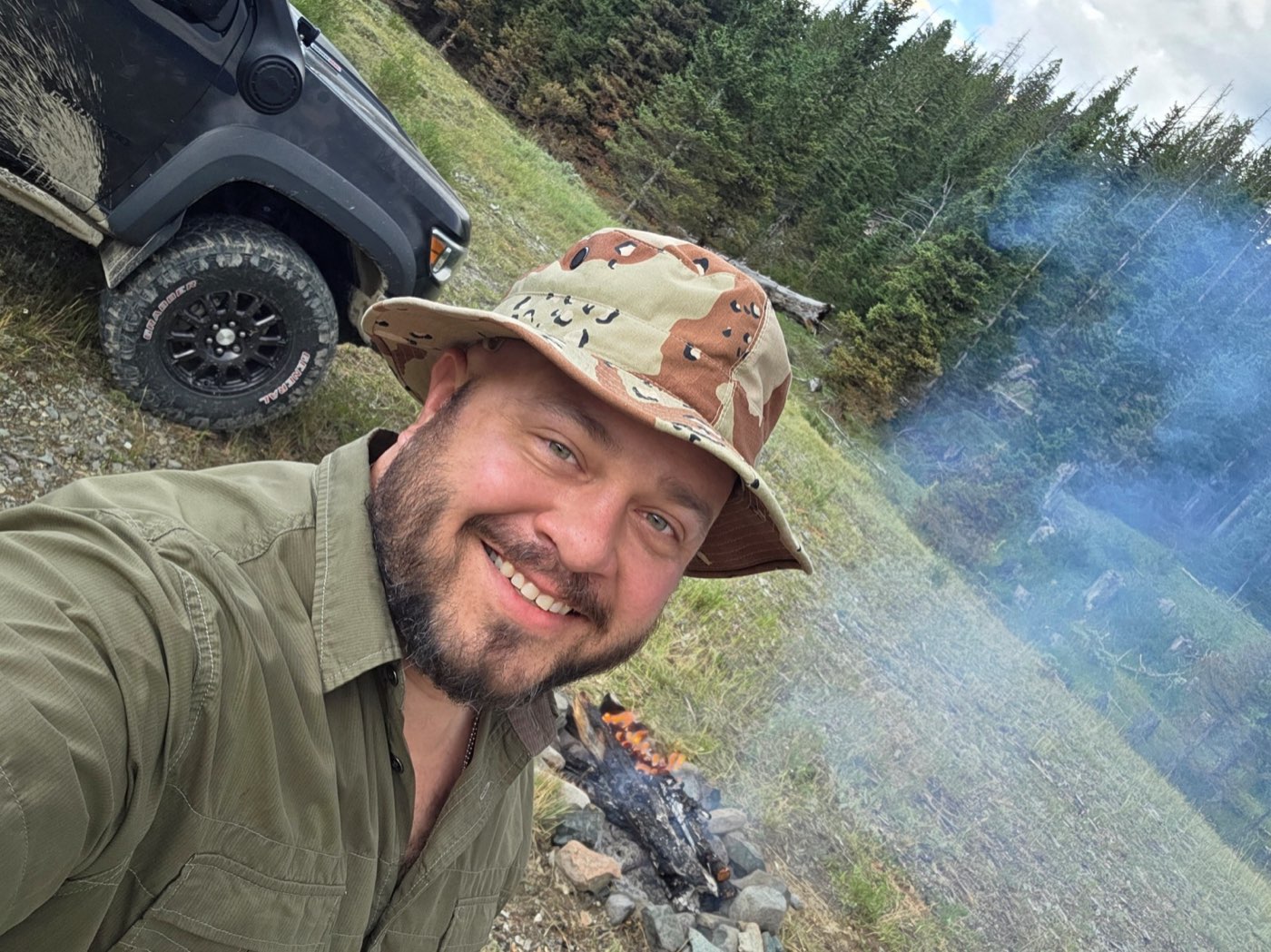
I spent a long time being very good at surviving.
Living was a different matter.
My name is Brian Dimoff, and I’m a retired Army combat Veteran of Iraq and Afghanistan, a former business owner, a gunsmith, an outdoorsman, a nonprofit volunteer, a student, and a husband. Those titles probably tell you far less about me than the mistakes, scars, friendships, losses, and lessons I’ve accumulated along the way.
Those experiences are why I was asked to write this column. Before I begin writing about Veterans, firearms, mental health, community, hunting, purpose, leadership, and the other subjects that will inevitably find their way onto these pages, you deserve to know who is doing the talking and, more importantly, why I’m here.
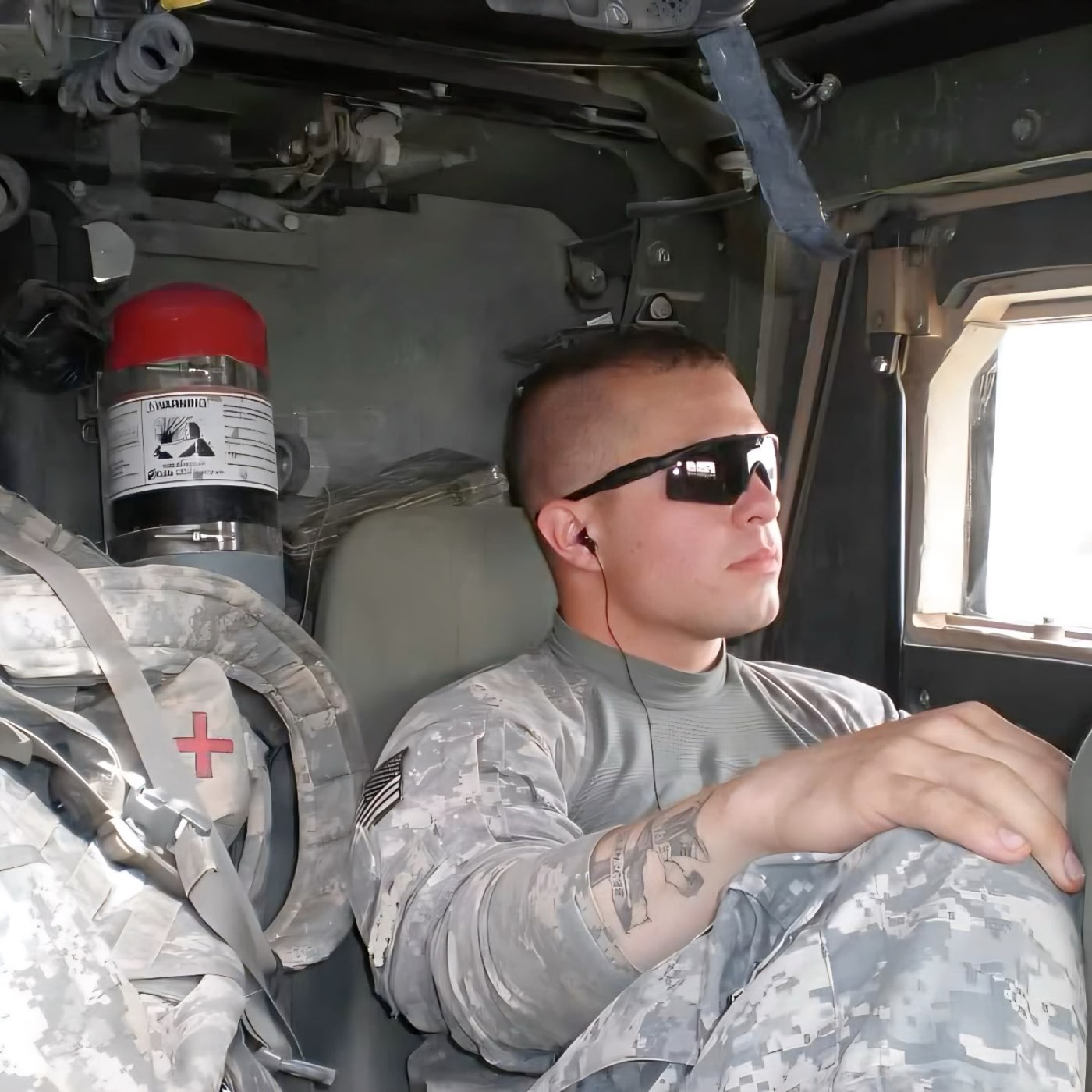
I joined the military young and spent most of my adult life in places where performance mattered far more than feelings. There was a mission, people were depending on you, and work needed to be done, so you did it. Sometimes, doing it meant facing things that were extraordinarily difficult to reconcile with the person you had been before.
One of the casualties of that conflict was my Christian faith. I didn’t stop believing; in some ways, that would have been easier. Instead, I put my faith away because I couldn’t figure out how to do the job the Army required of me while still believing I was honoring what I had grown up with. My solution was brutally simple: put that part of myself in a box, lock it away, and get back to work.
Unfortunately, human beings aren’t terribly good at selectively shutting themselves off. You don’t get to turn off compassion for one part of your life and expect it to remain perfectly intact everywhere else. Over time, I became harder, less empathetic, less patient, and less forgiving. I lost pieces of my humanity because, at the time, losing them felt useful.
That kind of emotional armor works extremely well in certain environments. The problem begins when you bring it home. I damaged relationships, made bad decisions, pushed people away, and chased adrenaline because normal life didn’t always feel like enough. I took risks I didn’t need to take because danger felt familiar.
After one of my deployments to Iraq, I attempted suicide. I survived, thanks to a broken spring. I’m pretty sure God had something to do with it, too. That is much easier to write today than it would have been years ago.
For a long time, I didn’t have a particularly sophisticated understanding of what had happened to me. I knew I was angry and that I didn’t sleep well. I knew certain memories stayed much closer than I wanted them to, and I knew that part of me missed the intensity of deployment even as another part never wanted to experience it again.
Mostly, I did what a lot of people in my world do. I kept moving. Work harder, carry more, stay useful, and don’t become a burden. There is an admirable side to that mentality, but there is also an incredibly destructive one.
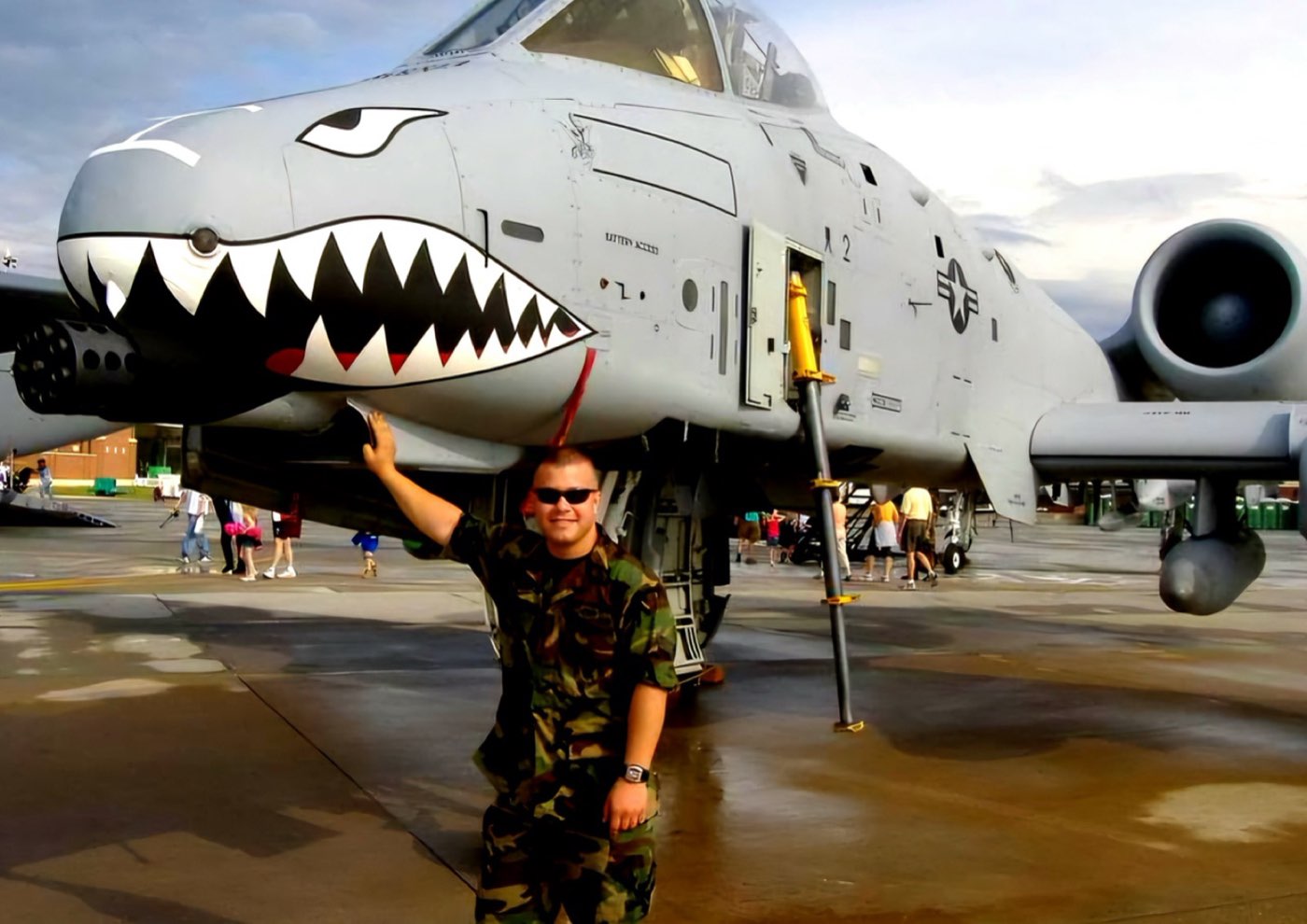
I kept moving until my injuries made the decision I had been unwilling to make for myself: I was medically retired from the Army earlier than I wanted. That hurt more than I expected because the Army had never been just a job. It was the structure around which most of my adult identity had been built. I understood the rules, the mission, and my place in the machine. Then, suddenly, I wasn’t in it anymore.
So, I did what seemed perfectly logical at the time. I opened a business and treated it exactly like the Army. Gold Spur Outfitters became my new mission: give everything you have, then give more than you have. Sleep later. Solve the problem. Take care of your people. Figure it out. Drive on.
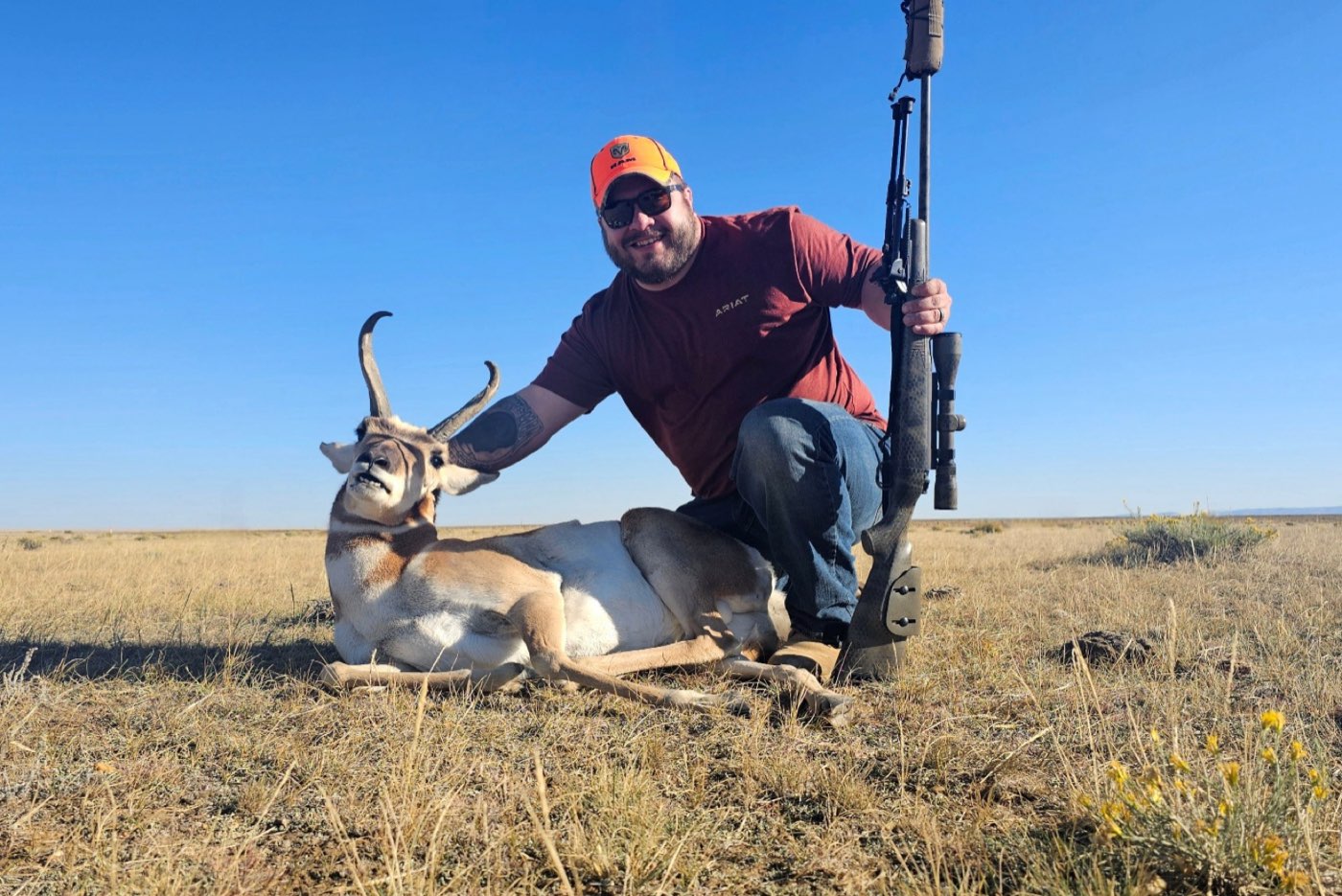
There are parts of Gold Spur Outfitters that will always make me enormously proud. We built relationships, helped people, became deeply involved in our community, and worked with organizations doing genuinely important things, including Hold My Guns. I believed in what Hold My Guns was doing from very early on because the idea behind it is remarkably simple: sometimes, gun owners need a safe, voluntary place to store their firearms.
Maybe someone is deploying or moving, renovating a home, dealing with children or complicated family circumstances, or simply recognizing that life has become unstable and access to a firearm is not the best decision for a while. No confiscation, no judgment, and no political theater. Just gun owners taking care of other gun owners. That philosophy made sense to me.
Gold Spur Outfitters eventually closed, and I’m still sad about that. I believe we did a tremendous amount of good while our doors were open, and I remain proud of the role we played as a Hold My Guns partner. But pride doesn’t make a business sustainable, and one of the harder lessons I’ve learned is that giving everything you have is not always noble. Sometimes, it’s just another way of destroying yourself.
That lesson became impossible to ignore when I attended Warrior PATHH, a Post-Traumatic Growth program for First Responders and Veterans. For the first time in a very long time, I began deliberately examining the things I had spent years outrunning. Not just trauma. Not just war. Me. The anger, the guilt, the damaged relationships, the faith I had locked away, and the person I had become because I thought that was the person I needed to be.
Later, I attended the BRAVE Traumatic Brain Injury program in Milwaukee, where that work continued. “Rebuilding” is probably the right word for it. I wasn’t trying to become the kid I had been before the military; that person doesn’t exist anymore, and pretending otherwise would be ridiculous. The goal was to take everything that had happened, including the good, the terrible, the honorable, and the regrettable, and build something worthwhile from it.
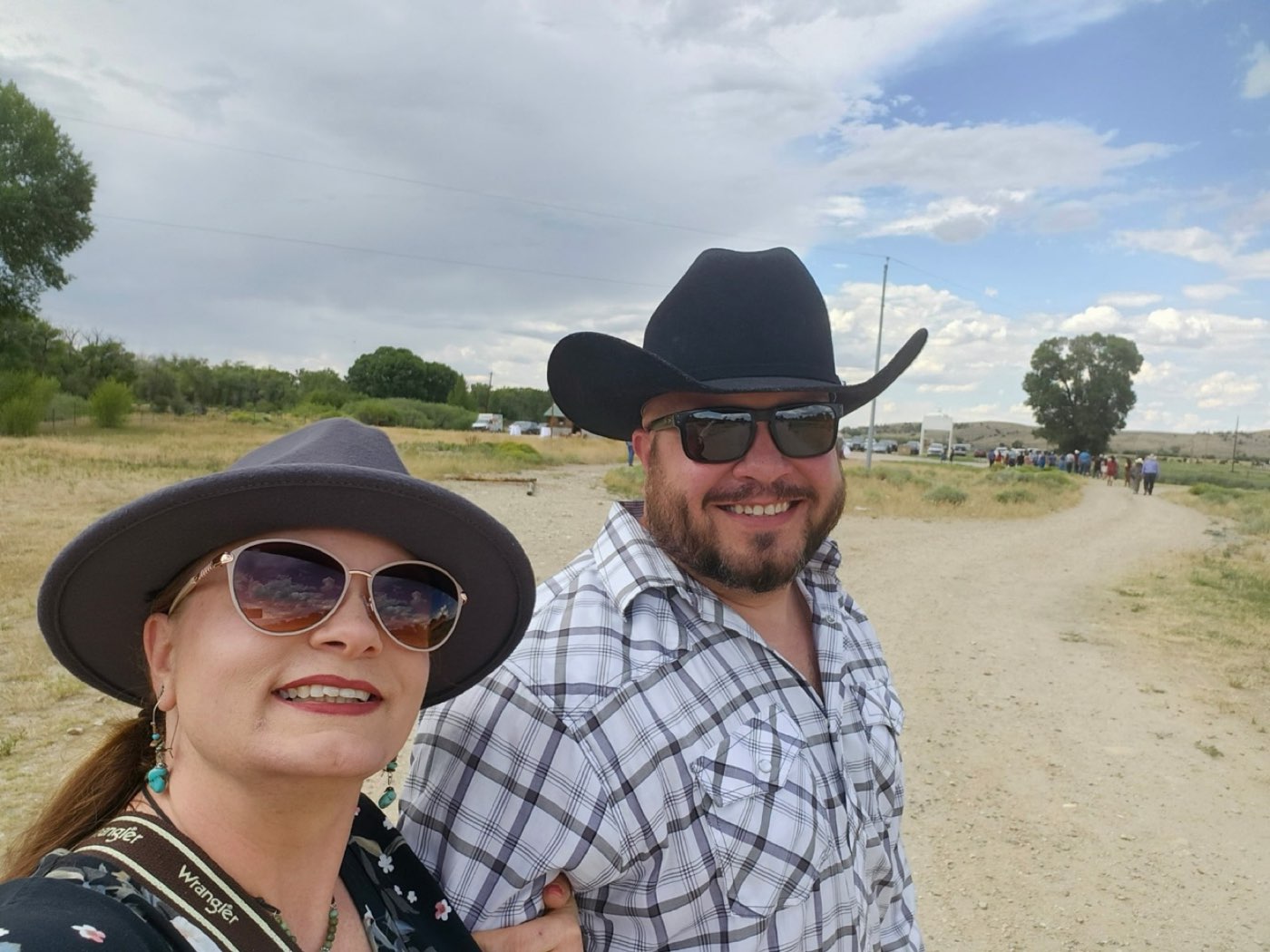
That meant rebuilding my mind, body, soul, faith, relationships, and sense of purpose. It wasn’t about returning to who I was. It was about becoming someone better equipped to carry who I had become. That work is still happening, and I suspect it always will be.
Today, my life looks quite different. I now serve on the board of Laramie Range Adventures for Veterans, where I help plan and coordinate events and work directly with other Veterans. I remain deeply involved in the Veteran community, though my circle extends far beyond it. It includes first responders, law enforcement officers, hunters, outdoorsmen, firearms owners, tradesmen, and people who work with their hands. It also includes people who have seen ugly things, people rebuilding after difficult chapters, and people trying to figure out what comes next. Those are my people.
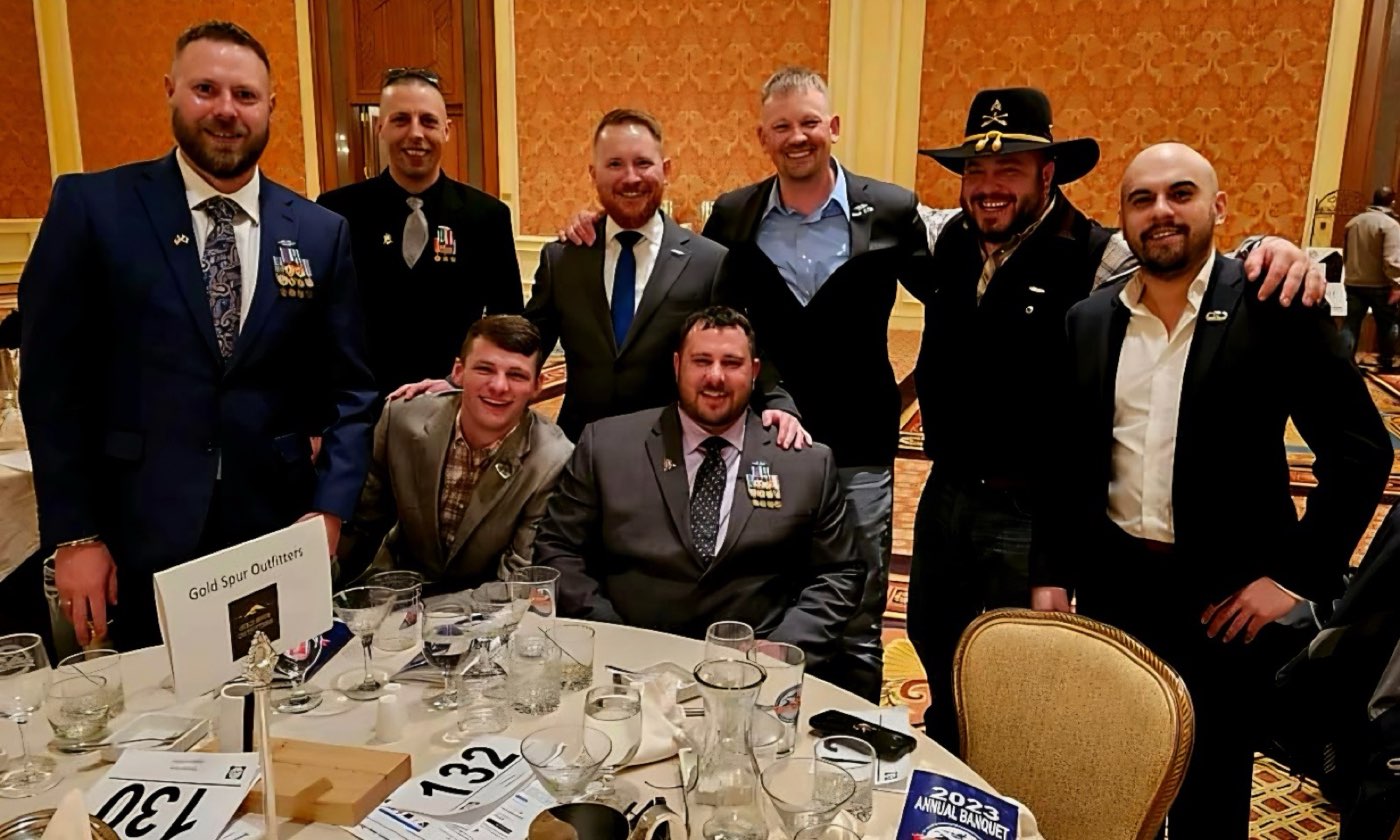
I’m also working on my doctorate at Grand Canyon University, which proves that life occasionally develops a very strange sense of humor. The old Cavalry Scout is now conducting doctoral research, and somewhere, a former platoon sergeant who saw me at my worst more than a few times probably just felt a disturbance in the Force. Beyond the irony, education has become another part of the rebuilding process. It has deepened my interest in leadership, organizations, culture, communication, community, and the ways people respond when the structures around their lives change. My Christian faith shapes how I approach those subjects, particularly the practice of servant leadership.
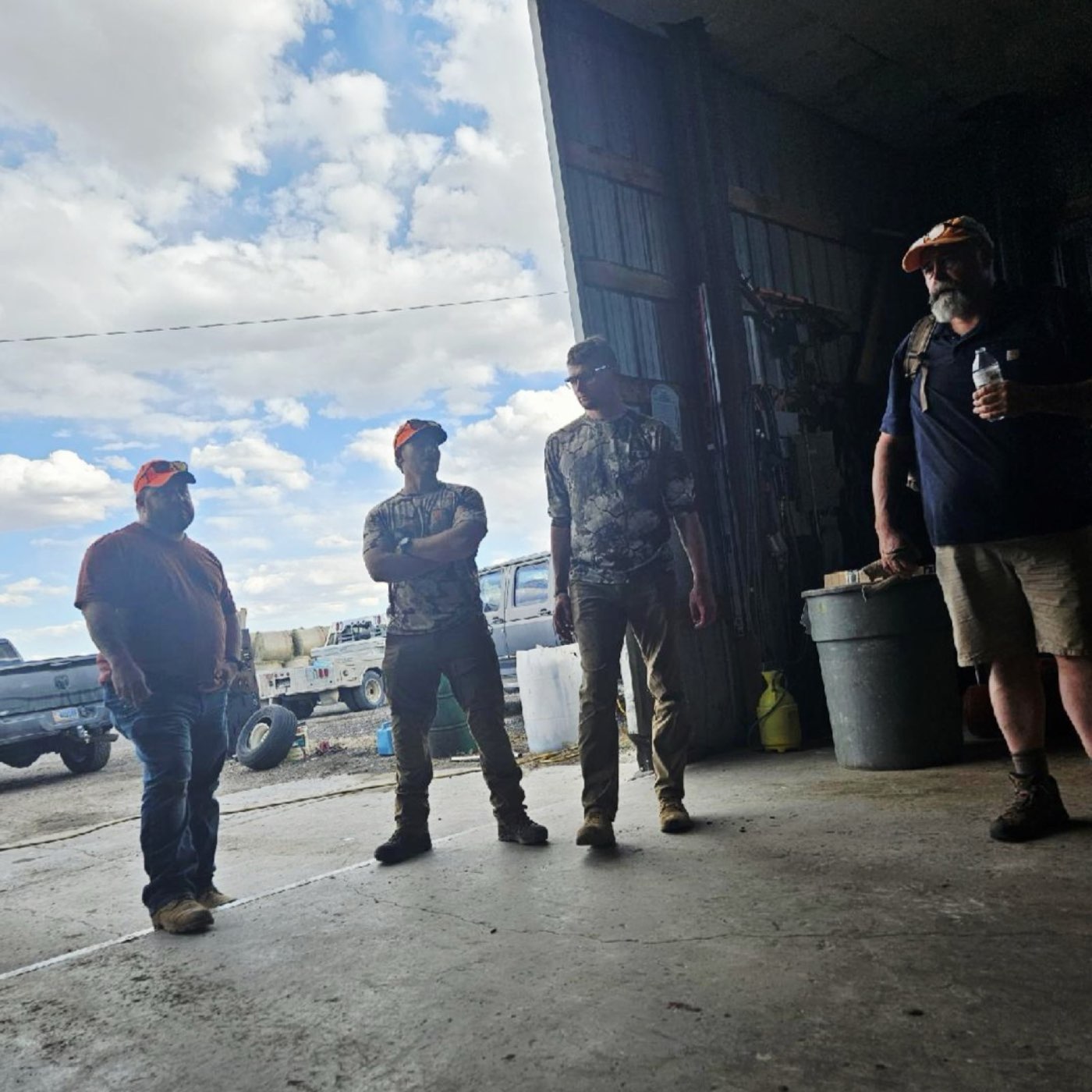
Increasingly, I’ve come to realize that what I’ve learned doesn’t belong only to me, and neither do the stories that carry those lessons. Some will be mine. Some will come from friends. Others will come from Veterans, cops, firefighters, hunters, firearms owners, and ordinary people navigating circumstances they never expected to face.
There will probably be stories about failure, and there will certainly be stories about bad decisions. There will also be conversations about guns because this is Hold My Guns, and pretending otherwise would be rather strange. But this won’t be a column about being afraid of firearms.
I’ve spent much of my adult life around firearms professionally and personally, and I believe deeply in the right to own them. I also believe gun ownership includes recognizing when responsibility means asking someone else to hold onto them for a while. Those ideas are not contradictory. In fact, I think they are exactly what responsibility looks like.
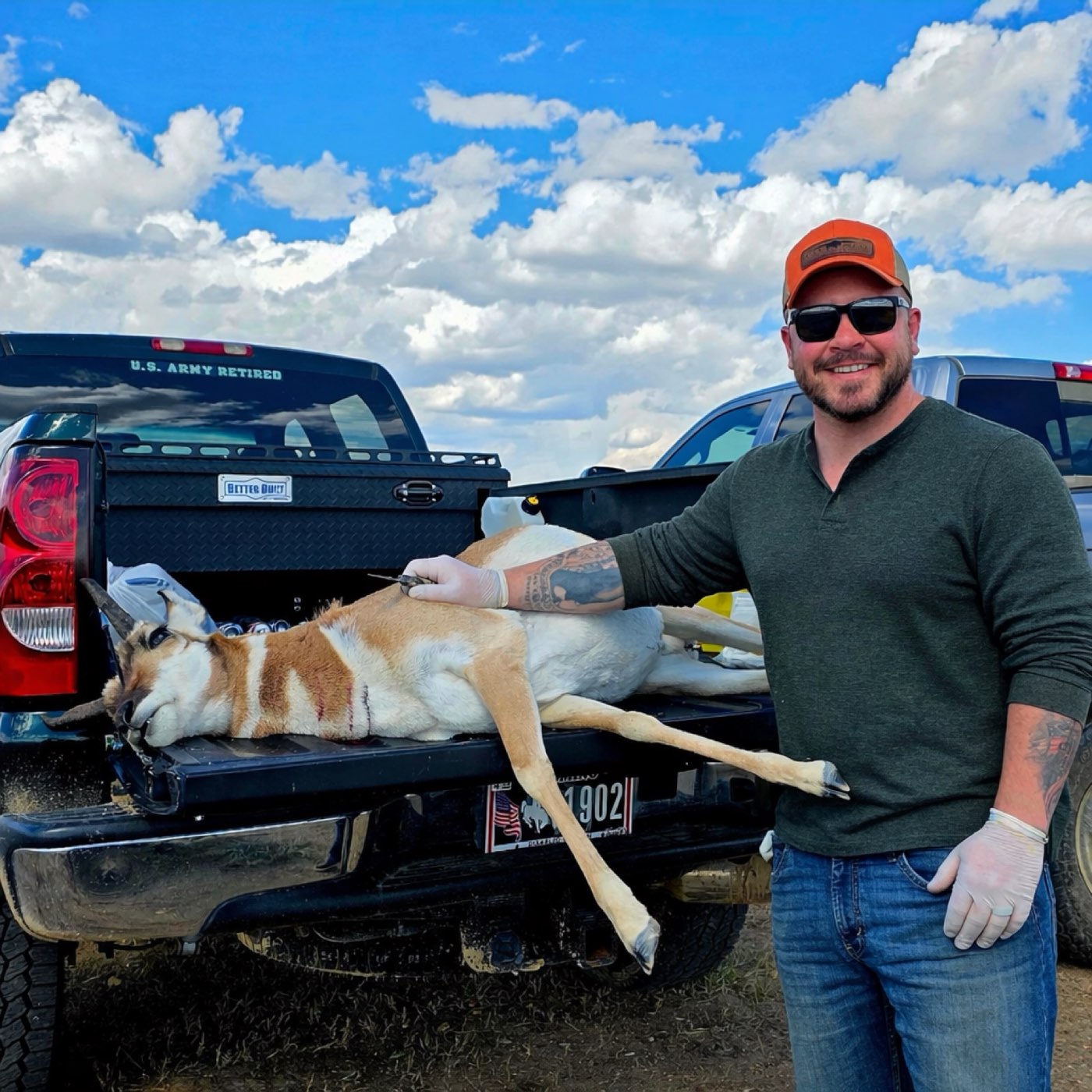
I also don’t intend for this column to become a sermon series about mental health. Life is bigger than our diagnoses, injuries, traumas, and worst days. We’ll talk about purpose, friendship, leadership, hunting, community, loss, faith, service, recovery, physical health, Veterans finding their way through civilian life, and the strange things men sometimes do instead of admitting they need help. In other words, this column will be about the whole of life, not merely the parts of it that hurt.
Most of all, I want this column to be about people. Somewhere along the way, after years of becoming harder because I mistook hardness for strength, I learned something I wish I had understood much earlier: strength without humanity is a pretty miserable thing.
The strongest people I know are not the ones who never struggle. They are the ones willing to look honestly at who they have become, take responsibility for it, and do the work required to become better. I’m still doing that work, and I suspect I’ll be doing it for the rest of my life.
That’s who I am, and that’s why I’m here. I’m still learning how to live with strength and humanity together, and I look forward to exploring what that means with all of you.